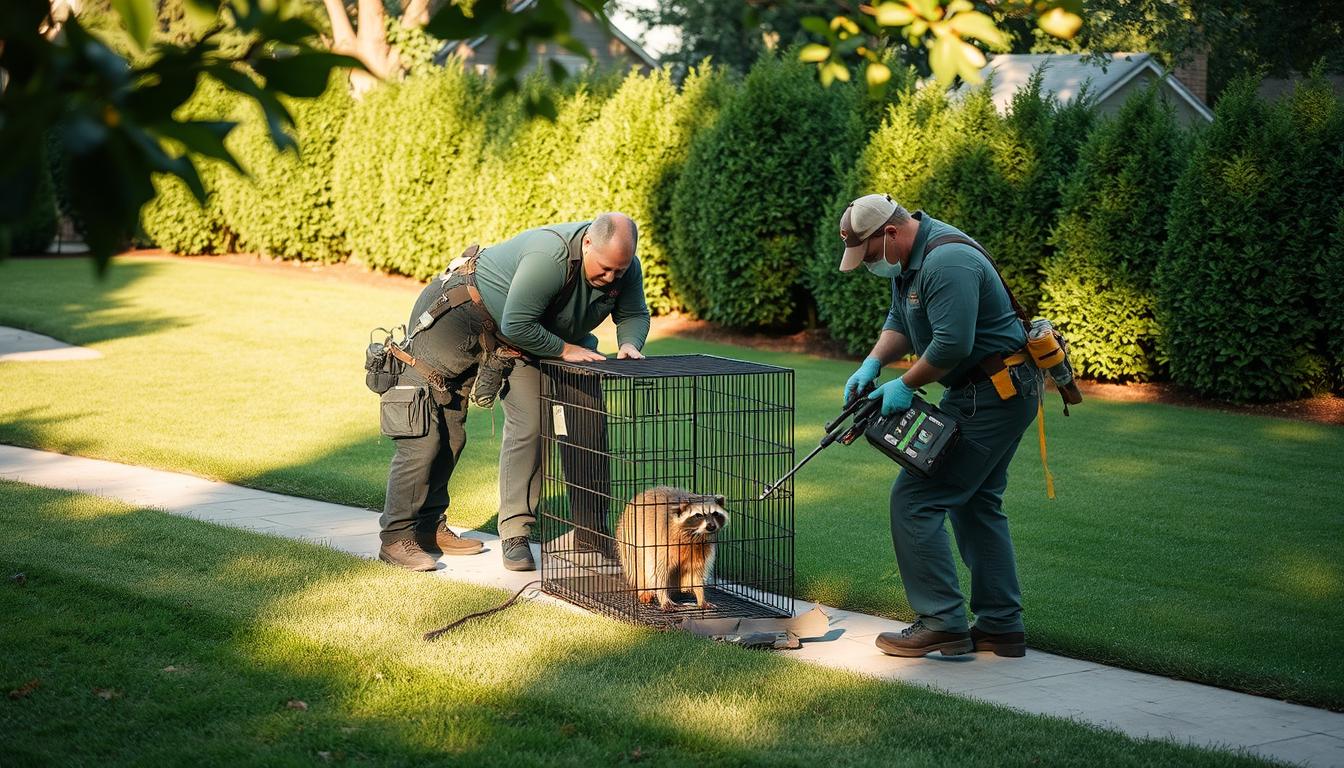
Wild animals can get inside a home faster than most people think. Many homeowners believe that once the animal is taken out, the problem is gone. But removal is only the first step. Even after the animal leaves, the mess and damage they created stay behind. These problems can grow worse, cost more money, and make the home unsafe if they are not repaired the right way.
This is why Wildlife Damage Repair in Norwalk is just as important as the removal itself. Without proper repair, open gaps, chewed wires, damaged insulation, and hidden contamination can continue to hurt the home long after the wildlife is gone.
Understanding What Really Happens When Wildlife Enters a Home
Animals Rarely Leave Without Causing Harm
Wild animals like raccoons, squirrels, mice, bats, and birds never come into a home quietly. They scratch, chew, push, and break things to make space. They tear insulation, rip ducts, and chew holes in walls. They may damage vents, chew wood beams, and destroy wires. Even if the animal is removed, the harm they created remains. This leftover damage can spread over time and lead to new problems.
Hidden Damage Can Affect the Whole House
Much of the damage wildlife causes is hidden. It may be behind walls, under insulation, or deep inside an attic. This damage does not go away on its own. It can cause drafts, weak spots, and strange smells. It can also spread moisture or germs into the home. That is one reason Wildlife Damage Repair is so important. Without proper repair, the home may stay unsafe or weak for years.
Why Removal Alone Is Never Enough
Removal Stops the Problem Today, but Repairs Stop It Tomorrow
When a wild animal is removed, one part of the problem is solved. But the entry holes are still open. The damage is still there. The scent of the animal remains attracts new wildlife. Without repairs, new animals often return. This is why removal alone cannot keep a home protected for long.
Repairs Make Homes Safe Again
A home is not truly safe until all the structural and health risks are fixed. Chewed wires can cause electrical fires. Torn insulation can make heating and cooling systems work harder. Open gaps along the roofline can let rain leak inside. When Wildlife Damage Repair is ignored, these problems can grow quickly and cost far more to fix later.
Types of Wildlife Damage Homeowners Often Miss
Attic Damage
The attic is one of the first places wildlife likes to hide. They like it because it is warm, dark, and quiet. But animals can create major damage there. They may tear insulation, chew boards, rip vents, leave droppings, and make nests. They may contaminate the whole space with urine and bacteria. Some of this damage is easy to miss until it becomes severe. That is why a full attic check is so important.
Roof and Exterior Damage
Most wild animals enter through rooflines, vents, soffits, chimneys, or gutters. These areas may look fine from the ground, but close inspection often shows cracks, holes, dents, or loose areas. Even a small opening is an invitation for wildlife. If not repaired, new animals will follow the same path back into the home.
How Wildlife Damage Repair Protects the Home Long-Term
Stops Future Wildlife From Entering
Wildlife returns when they smell old scents or find easy entry spots. Good repairs close all gaps and block every entry point. It makes it much harder for raccoons, squirrels, bats, mice, or birds to enter again. Strong building materials and wildlife-proof seals help keep the home safe for years.
Improves Air Quality and Health
Droppings, urine, damaged insulation, and nesting materials can spread bacteria. These germs may cause allergies, breathing trouble, or infections. A proper repair job includes cleaning, sanitizing, and removing contaminated items. It makes the home healthier and restores clean air.
The Financial Benefits of Wildlife Damage Repair
Saves Money on Bigger Fixes Later
Small wildlife damage becomes big damage if left alone. A tiny roof gap can turn into a major leak. A chewed wire can spark a fire. Damaged insulation can raise the heating bill every month. Fixing these issues early saves money and keeps repair costs small.
Protects Your Home’s Value
A home with wildlife damage loses value. Buyers do not want to deal with repairs, odors, stains, or weak areas. A fully repaired home keeps its value high, and buyers feel much safer knowing the damage was fixed the right way.
The Process of Professional Wildlife Damage Repair
Step 1 — Full Home Inspection
Experts check the whole home, including hard-to-reach areas. They look for chew marks, entry holes, nests, stains, and structural damage. Every problem is recorded, so nothing is missed.
Step 2 — Cleaning and Sanitizing
Droppings, urine, nesting materials, and damaged insulation are removed. The space is cleaned and sanitized to remove germs and odors.
Step 3 — Repairing and Restoring the Home
Next, experts repair insulation, seal holes, fix vents, replace wood, and rebuild anything that was damaged. This step restores the home to a safe, sound condition.
Conclusion
Removing a wild animal is only the first step. A home is not safe until the damage left behind is fully repaired. This is why Wildlife Damage Repair in Norwalk is just as important as the removal itself. Repairs protect the home, stop future wildlife, and restore safety for the whole family. When repairs are done the right way, the home becomes strong, clean, and ready to stay wildlife-free. For trusted service and long-lasting results, Essential Wildlife Control is the team homeowners can count on.
Leave a Reply