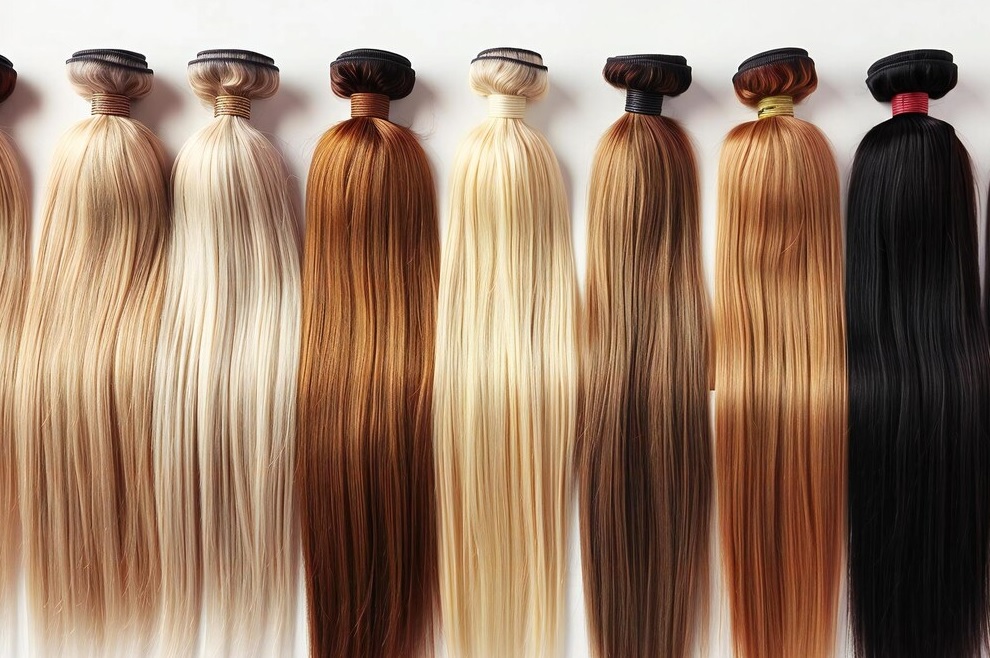
Fine or thin hair can be challenging to style. Many people struggle with flat roots, low density, and limited styling options. Traditional hair extensions often feel too heavy. They can also look visible or cause tension.
This is why professional stylists increasingly recommend invisible tape in extensions. They offer volume without bulk. They blend naturally. They stay discreet, even on very fine hair.
In this guide, we share what stylists recommend. You will learn why tape extensions work so well for thin hair. You will also learn how to choose, install, and maintain them correctly.
Why Fine or Thin Hair Needs a Different Extension Approach
Fine hair has a smaller strand diameter. Thin hair refers to low overall density. Both types require lightweight solutions.
Heavy extensions pull on the scalp. Bulky bonds become visible quickly. Incorrect installation leads to breakage or slippage.
Stylists focus on three key goals:
- Minimal weight
- Seamless blending
- Low tension on natural hair
Invisible tape in extensions meet all three requirements.
What Are Invisible Tape In Extensions?
Invisible tape in extensions are a modern version of tape-ins. They feature ultra-thin, seamless wefts. The hair appears to grow directly from the tape.
The attachment area is flat and flexible. This allows the extension to sit flush against the scalp. There are no bulky seams or thick glue lines.
For fine or thin hair, this construction is critical.
Key Features Stylists Value
- Lightweight design
- Invisible attachment points
- Natural movement
- Even weight distribution
These features make them ideal for low-density hair.
Why Stylists Recommend Invisible Tape In Extensions for Fine Hair
Adds Volume Without Extra Weight
Stylists avoid heavy wefts on fine hair. Too much weight causes stress at the root.
Invisible tape in extensions use thinner wefts. They spread weight evenly across the section. This protects the natural hair.
The result is added volume that feels comfortable.
Creates a Seamless, Natural Blend
Fine hair exposes extension bonds easily. Thick tapes can show through.
Invisible tape in extensions lay flat. They blend smoothly with natural strands. Even close to the hairline, they remain discreet.
This is why stylists trust them for natural-looking results.
Gentle on Fragile Hair
Fine hair breaks more easily. Stylists prioritize low-tension methods.
The adhesive used in invisible tape-ins is flexible. It does not pull or tug when installed correctly. This reduces breakage over time.
Allows More Styling Freedom
Clients with thin hair want styling options. Updos, half-up styles, and ponytails are common goals.
Because the tapes are hidden, styling becomes easier. Clients feel confident wearing their hair up.
How Stylists Install Invisible Tape In Extensions on Fine Hair
Correct installation is essential. Stylists adjust their technique for fine or thin hair.
Precise Sectioning
Smaller sections are used. This prevents the tape from being visible.
Stylists map the head carefully. They focus on areas that need volume, not weight.
Single-Sided or Lightweight Sandwich Method
For very thin hair, stylists may use single-sided tapes. This reduces tension.
When sandwiching is used, lighter wefts are chosen. This keeps the extension secure but gentle.
Choosing the Right Length and Density
Long extensions add more weight. Stylists often recommend 14–18 inches for fine hair.
The goal is natural density, not excess fullness. More hair is added gradually, not all at once.
What Stylists Recommend Before Installation
Assess Hair Health First
Stylists always evaluate the natural hair. They check for breakage, shedding, and scalp issues.
Weak hair may need treatment before extensions.
Accurate Color and Texture Matching
Fine hair shows mismatches easily. Stylists match color, tone, and texture precisely.
Invisible tape in extensions look best when blended perfectly.
Proper Hair Preparation
Clean hair ensures strong adhesion.
Stylists recommend:
- Clarifying shampoo
- No conditioner near roots
- Oil-free scalp
This step prevents slipping.
Aftercare Tips for Invisible Tape In Extensions on Fine Hair
Proper maintenance extends the life of extensions. It also protects natural hair.
Washing Routine
Use sulfate-free shampoo. Wash gently and avoid scrubbing the roots.
Do not apply conditioner near the tapes.
Brushing Technique
Always brush from ends upward. Use a loop brush or extension-safe brush.
Support the roots while brushing. This prevents tension.
Drying the Roots
Never let tapes stay damp. Dry the roots thoroughly after washing.
Moisture can weaken adhesive over time.
Maintenance Schedule
Stylists recommend move-ups every 6–8 weeks. Fine hair grows faster relative to tape visibility.
Regular maintenance prevents damage.
Common Mistakes to Avoid
Even the best extensions can fail if misused.
Stylists warn against:
- Installing too close to the scalp
- Using heavy wefts on thin hair
- Applying oils near tape bonds
- Skipping maintenance appointments
Avoiding these mistakes ensures long-term success.
Invisible Tape In Extensions vs Other Extension Methods
Clip-In Extensions
Clip-ins are temporary. They can be heavy for fine hair. They also pull on the roots.
Stylists rarely recommend daily clip-in use for thin hair.
Keratin Bond Extensions
Keratin bonds can look natural. However, they add point-based tension.
For fragile hair, this can be risky.
Hand-Tied or Sew-In Wefts
These methods require beads or braids. They are often too heavy for very fine hair.
Why Invisible Tape-Ins Are Preferred
Invisible tape in extensions balance comfort and appearance. They distribute weight evenly. They remain hidden.
For fine or thin hair, they are often the safest choice.
Stylist Tips to Maximize Volume Naturally
Stylists focus on illusion, not excess hair.
Common tips include:
- Adding layers for movement
- Placing extensions strategically near the crown
- Using shorter lengths for fullness
- Blending face-framing pieces
These techniques create natural volume.
Who Is the Ideal Candidate for Invisible Tape In Extensions?
Invisible tape in extensions are ideal for:
- Fine or thin hair types
- Clients seeking volume over length
- People wanting undetectable results
- Clients who prefer low-maintenance extensions
A professional consultation is always recommended.
Final Thoughts: Why Stylists Trust Invisible Tape In Extensions
Fine or thin hair needs a careful approach. Not all extensions are suitable. Invisible tape in extensions provide a lightweight, seamless solution. They protect natural hair. They deliver natural volume. They remain discreet. This is why stylists consistently recommend them. With proper installation and care, they offer beautiful, long-lasting results.
Leave a Reply