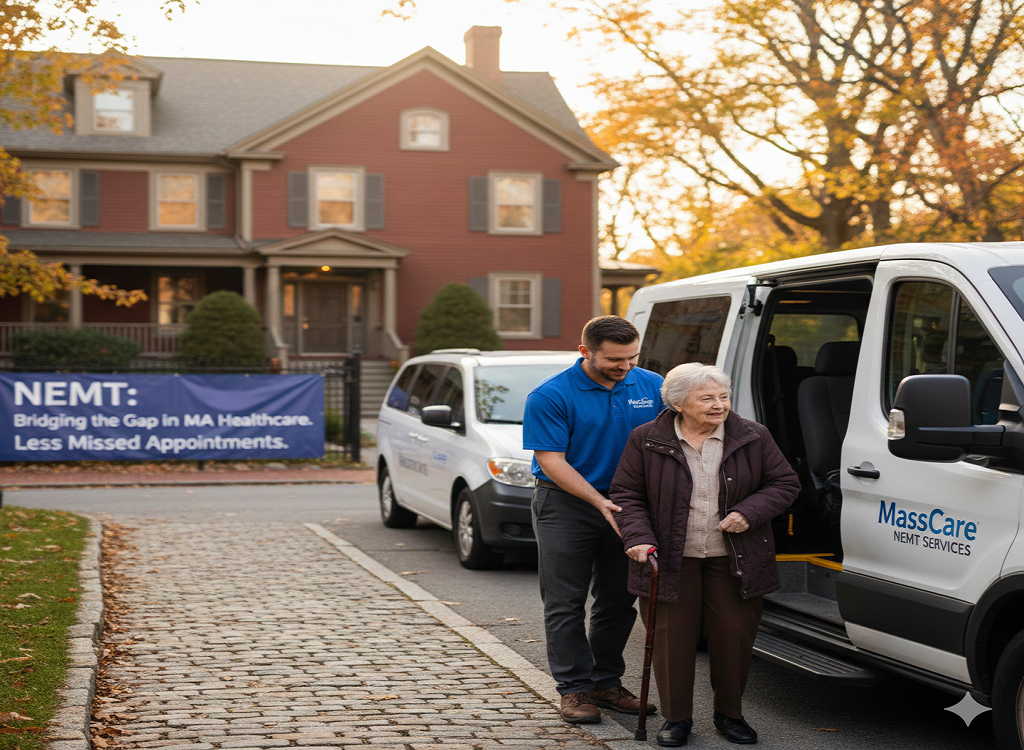
In the healthcare ecosystem, even the best medical services can fall short if patients aren’t able to show up for their appointments. For many individuals—especially older adults, people with disabilities, and those with limited financial resources—transportation challenges are a significant barrier to timely care. This is where Non-
Emergency Medical Transportation (NEMT) plays a critical role.
In Massachusetts, missed medical appointments affect patients’ health and place strain on providers and the broader healthcare system. Fortunately, dedicated NEMT providers are helping bridge this gap by making reliable transportation an integral part of healthcare access.
Understanding the Scope of the Problem
Missed medical appointments are more than an inconvenience. When patients miss preventative check-ups, follow-ups, or chronic disease management visits, health issues can go unmonitored or worsen. This leads to more emergency room visits, hospital readmissions, and overall higher costs for patients and insurers alike.
In Massachusetts, as in many states, transportation is a consistent factor in appointment non-attendance. Many patients simply lack safe, reliable, or affordable means to get to their healthcare visits. Public transit may not be accessible or efficient for those with mobility limitations. Taxis and rideshares can be expensive. Family members may not be available to provide transportation.
What Is Non-Emergency Medical Transportation?
Non-Emergency Medical Transportation (NEMT) refers to transportation services for individuals who need assistance traveling to and from medical appointments but do not require ambulance services. NEMT providers work with patients to ensure they arrive safely and on time for:
-
Doctor visits
-
Physical therapy sessions
-
Dialysis treatments
-
Behavioral health appointments
-
Routine lab work
-
Specialist consultations
Unlike general rideshare services, NEMT is designed to accommodate individuals with mobility challenges, wheelchairs, and other special needs. Drivers are trained to assist with boarding, securing mobility devices, and providing compassionate support.
How NEMT Providers Support Better Attendance
1. Removing Transportation Barriers
The most obvious contribution of NEMT providers is eliminating the barrier of “how to get there.” For many patients, especially those in rural or underserved urban communities, just finding a ride can be a major hurdle. NEMT providers plan routes, schedule rides, and coordinate with patients so that transportation becomes a dependable part of their care plan.
2. Improving Patient Confidence and Comfort
Healthcare appointments can be stressful. Worrying about transportation—especially for individuals with limited mobility or complex health needs—adds another layer of anxiety. NEMT drivers are often trained in safe patient handling and customer service, helping patients feel supported and respected throughout the trip. This reassurance encourages patients to keep their appointments.
3. Supporting Chronically Ill and Elderly Patients
Individuals managing chronic conditions require frequent appointments for monitoring and treatment. Missed visits can quickly lead to deterioration in health. NEMT providers offer services tailored to people who may have difficulty walking, using public transit, or waiting for long periods. By providing door-to-door service, they make adherence to treatment plans realistic and achievable.
4. Coordinating with Healthcare Providers
Many NEMT services work closely with clinics, hospitals, and case managers. This collaboration ensures that transportation is scheduled in advance and aligns with appointment times. Providers can also communicate changes—such as delays or cancellations—to the NEMT service, reducing confusion and missed connections.
5. Reducing No-Show Costs for Providers
Missed appointments aren’t just bad for patients; they cost healthcare providers time and money. When clinics have patients who don’t show, it can disrupt scheduling, reduce productivity, and lead to financial losses. Reliable NEMT services help lower no-show rates, allowing providers to operate more efficiently and see more patients.
6. Working with Medicaid and Other Insurance Programs
In Massachusetts, many patients eligible for Medicaid (and MassHealth) rely on covered transportation services. NEMT providers often handle the administrative tasks associated with insurance authorizations and billing, making it easier for patients to access transportation without worrying about out-of-pocket costs. This increases appointment adherence for individuals who might otherwise decline care because of expense.
Real-World Impact: Stories and Data
Across Massachusetts, healthcare organizations and social service agencies have documented improvements in patient attendance after partnering with NEMT providers. For example:
-
Community health centers in urban areas report fewer missed preventative care visits among older adults when NEMT is offered as a benefit.
-
Rural clinics serving patients in distant towns highlight how NEMT makes essential specialist appointments feasible for people who otherwise had to travel long distances without reliable options.
-
Behavioral health programs have noted better engagement in therapy and counseling sessions when transportation barriers are addressed.
While specific numbers vary by community and provider, the trend is unmistakable: where transportation support increases, missed appointments decrease.
Challenges and Opportunities
While NEMT services are invaluable, they aren’t without challenges:
-
Scheduling Complexity: Arranging rides that align perfectly with appointment times—especially in areas with limited drivers—can be difficult.
-
Funding Limitations: NEMT programs often depend on public funding or insurance reimbursements, which may not cover all patients or all needs.
-
Awareness: Some patients simply don’t know that NEMT options exist or that they may qualify for transportation support.
Addressing these challenges requires ongoing collaboration among healthcare providers, community organizations, insurers, and policymakers. Investing in better scheduling systems, expanding driver networks, and outreach efforts can enhance the reach and impact of NEMT.
The Future of NEMT in Massachusetts
Innovations in healthcare logistics, technology, and community partnerships are shaping the future of NEMT. Digital scheduling platforms, real-time tracking, and integrated communication systems allow providers, patients, and transportation services to work together more efficiently.
In addition, as value-based care models become more prevalent, there’s increased recognition that addressing social determinants of health—including transportation—is essential to improving outcomes and reducing overall costs. NEMT is a model example of how supporting basic needs can have a ripple effect on health, wellbeing, and system sustainability.
Conclusion
Reliable transportation is a fundamental component of healthcare access, and NEMT providers are helping turn that access into reality for thousands of patients across Massachusetts. By removing logistical barriers, building patient confidence, and partnering with healthcare systems and insurance programs, NEMT services significantly reduce missed medical appointments and support healthier communities.
For patients, families, and providers alike, this means fewer gaps in care, better chronic disease management, and more efficient use of healthcare resources. If we want a healthier future for everyone in the Commonwealth, expanding access to non emergency medical transportation in Massachusetts will remain an essential part of the solution.
Leave a Reply