Category: Wildlife Control

  • Animal Control vs Wildlife Control: What’s the Difference for Norwalk Residents

    Animal Control vs Wildlife Control: What’s the Difference for Norwalk Residents

    Wildlife encounters are becoming more common in Norwalk neighborhoods. Homes near wooded areas, parks, and water sources often attract animals. When a problem appears, many homeowners are unsure who to call. Some contact animal control. Others search for wildlife control services. The confusion is understandable, but the difference matters.

    Choosing the wrong service can waste time. It can also make the problem worse. This guide explains the key differences between Norwalk animal control and wildlife control. It also helps Norwalk residents make the right decision when animals become an issue.

    Why This Confusion Happens in Norwalk

    Norwalk is a mix of residential areas and natural habitats. This creates frequent interactions between people and animals. Raccoons, squirrels, bats, and skunks often enter attics or crawl spaces. At the same time, stray dogs or injured cats may appear in public areas.

    Many residents assume animal control handles all animal problems. In reality, animal control and wildlife control serve very different roles. Understanding these roles helps protect your home, your family, and the animals involved.

    What Is Animal Control?

    Animal control is a public service. It is usually run by the city or municipality. Its primary focus is public safety and domestic animals.

    In Norwalk, animal control officers enforce local animal laws. They respond to situations involving pets or animals that pose a risk to people. Their authority comes from city ordinances and state regulations.

    When people think of animal control in Norwalk, they often imagine officers removing animals from homes. That is rarely the case.

    What Animal Control Typically Handles

    Animal control services are limited to specific situations. These usually involve domestic animals or public safety concerns.

    Common responsibilities include:

    • Stray or loose dogs
    • Aggressive pets
    • Dog bite incidents
    • Animal cruelty investigations
    • Injured domestic animals in public areas
    • Enforcement of leash and licensing laws

    Animal control officers are not equipped to perform structural inspections. They do not seal entry points or repair damage. Their role ends once the immediate safety concern is addressed.

    This is why many wildlife-related calls to animal control in Norwalk are redirected elsewhere.

    What Is Wildlife Control?

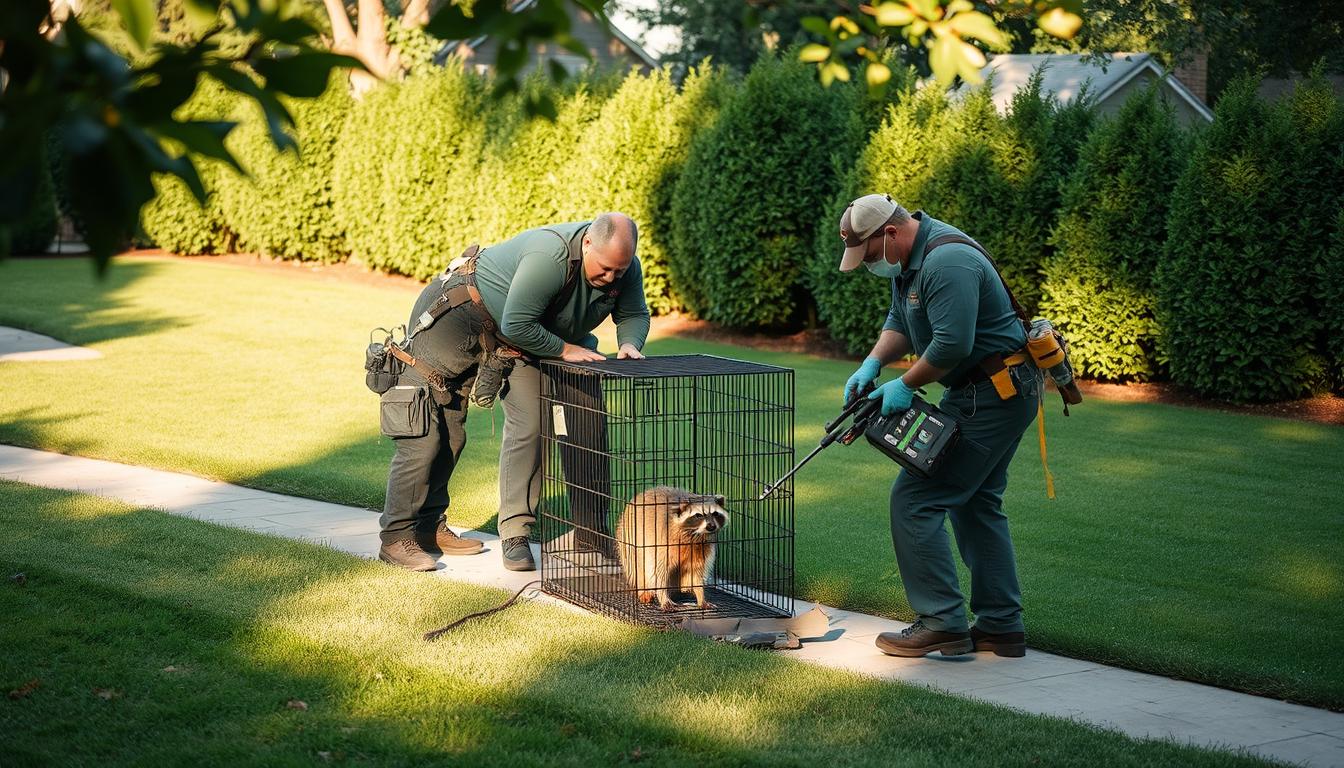
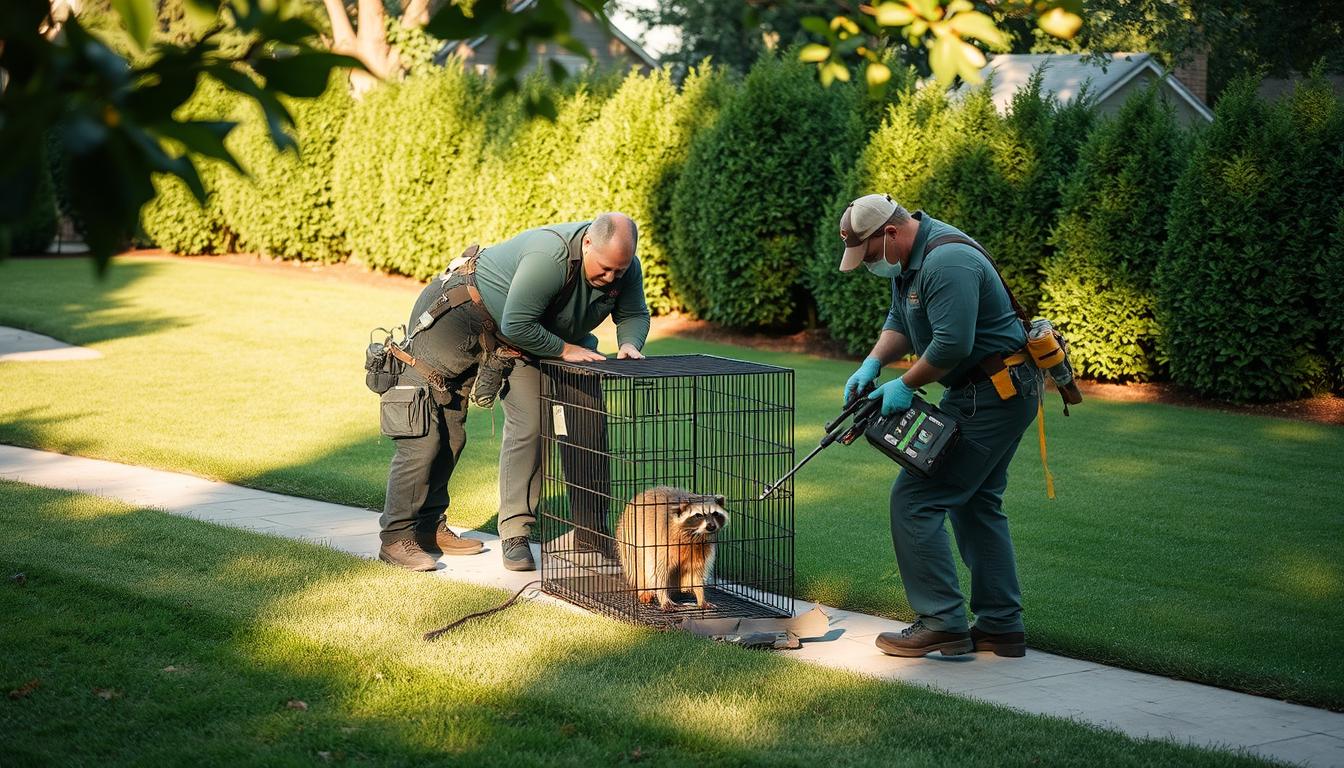
    Wildlife control is a private, specialized service. It focuses on wild animals that enter homes or damage property. These professionals are trained to handle animals humanely and legally.

    Wildlife control addresses the full problem. That includes removal, prevention, and repair. This makes it the correct solution for most residential wildlife issues.

    Wildlife control professionals deal with animals that animal control does not manage.

    Common Wildlife Problems in Norwalk Homes

    Norwalk homes experience a wide range of wildlife issues throughout the year.

    The most common include:

    • Raccoons nesting in attics
    • Squirrels chewing wires and wood
    • Bats roosting in roofs or soffits
    • Skunks living under decks or sheds
    • Groundhogs digging near foundations

    These animals cause noise, odors, and property damage. They can also introduce parasites and health risks.

    Calling Norwalk animal control for these situations often leads to frustration. Wildlife control is designed specifically for these problems.

    Key Differences Between Animal Control and Wildlife Control

    The easiest way to understand the difference is by looking at their core functions.

    Animal control focuses on:

    • Domestic animals
    • Law enforcement
    • Public safety
    • Emergency response

    Wildlife control focuses on:

    • Wild animals
    • Residential properties
    • Humane removal
    • Exclusion and prevention

    Animal control is reactive. Wildlife control is both reactive and preventive. This distinction is critical for homeowners.

    When Should You Call Animal Control in Norwalk?

    There are clear situations where animal control is the correct choice.

    You should call animal control if:

    • A dog is loose or aggressive
    • A pet has bitten someone
    • You witness animal neglect or abuse
    • An injured domestic animal is in a public area
    • There is an immediate public safety risk

    In these cases, animal control in Norwalk has the authority and responsibility to respond.

    However, animal control is not designed to resolve ongoing wildlife infestations inside homes.

    When Wildlife Control Is the Right Choice

    Wildlife control should be your first call when animals enter your home or structure.

    You should contact a wildlife professional if you notice:

    • Scratching or thumping noises in walls or ceilings
    • Animals entering through vents or rooflines
    • Droppings in attics or crawl spaces
    • Repeated animal activity around your home
    • Damage to insulation, wiring, or wood

    These problems require inspections and long-term solutions. This goes beyond the scope of Norwalk animal control.

    Why Wildlife Control Offers Long-Term Solutions

    One major difference is how the problem is solved.

    Wildlife control professionals do more than remove animals. They identify how animals entered the structure. They then secure those entry points to prevent future issues.

    This process often includes:

    • Humane trapping or exclusion
    • Sealing gaps and vents
    • Repairing animal-related damage
    • Cleaning contaminated areas
    • Preventive recommendations

    Animal control does not provide these services. That is why wildlife problems often return when handled incorrectly.

    Legal and Humane Considerations in Connecticut

    Connecticut has strict laws regarding wildlife handling. Some species are protected. Others require specific removal methods.

    Bats are a common example. They cannot be removed during certain seasons due to maternity laws. Improper removal can be illegal and harmful.

    Wildlife professionals understand these regulations. They ensure compliance with state laws and ethical standards. Calling animal control in Norwalk for protected wildlife often results in no action being taken.

    Health and Property Risks of Ignoring Wildlife Problems

    Wildlife inside a home is not just a nuisance. It is a health and safety concern.

    Risks include:

    • Electrical fires from chewed wires
    • Structural damage
    • Contaminated insulation
    • Parasites and bacteria
    • Unpleasant odors

    Delaying action allows these risks to grow. Wildlife control stops the issue at its source.

    Animal control services do not handle these residential risks, even though many homeowners initially call Norwalk animal control out of habit.

    Final Thoughts for Norwalk Residents

    Animal-related issues are common in Norwalk. The solution depends on the type of animal and the situation. Animal control plays an important role in public safety and domestic animal welfare. Wildlife control specializes in protecting homes from wild animals and preventing future infestations. Understanding this difference helps residents respond quickly and correctly. Instead of calling animal control in Norwalk for every animal issue, homeowners should match the problem to the right service. Making the right call protects your home, your health, and the local wildlife.
  • Why Wildlife Damage Repair Is Just as Important as Animal Removal

    Why Wildlife Damage Repair Is Just as Important as Animal Removal

    Wild animals can get inside a home faster than most people think. Many homeowners believe that once the animal is taken out, the problem is gone. But removal is only the first step. Even after the animal leaves, the mess and damage they created stay behind. These problems can grow worse, cost more money, and make the home unsafe if they are not repaired the right way.

    This is why Wildlife Damage Repair in Norwalk is just as important as the removal itself. Without proper repair, open gaps, chewed wires, damaged insulation, and hidden contamination can continue to hurt the home long after the wildlife is gone.

    Understanding What Really Happens When Wildlife Enters a Home

    Animals Rarely Leave Without Causing Harm

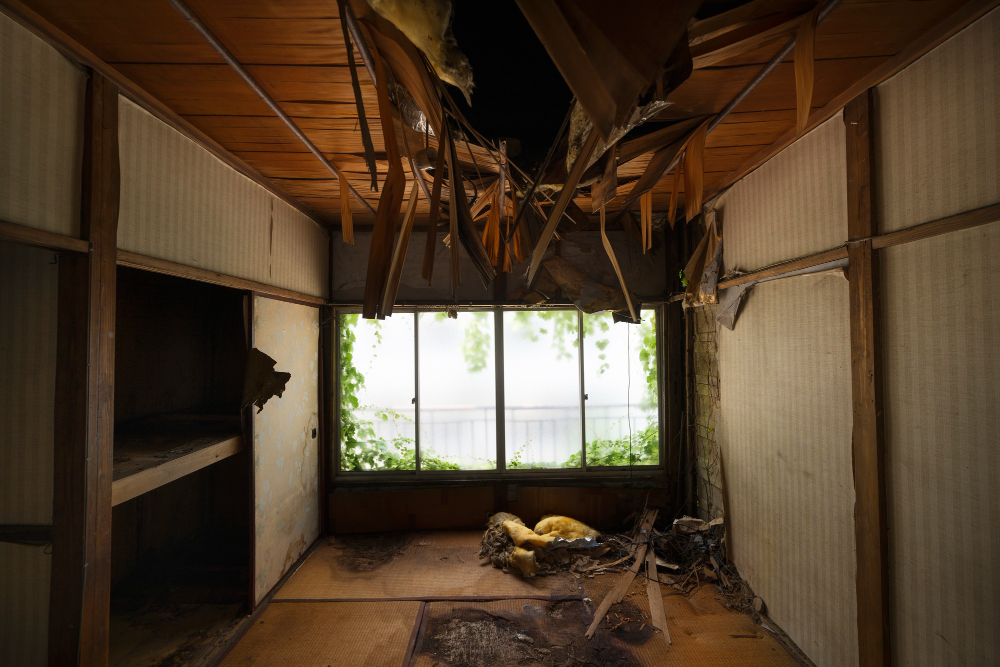
    Wild animals like raccoons, squirrels, mice, bats, and birds never come into a home quietly. They scratch, chew, push, and break things to make space. They tear insulation, rip ducts, and chew holes in walls. They may damage vents, chew wood beams, and destroy wires. Even if the animal is removed, the harm they created remains. This leftover damage can spread over time and lead to new problems.

    Hidden Damage Can Affect the Whole House

    Much of the damage wildlife causes is hidden. It may be behind walls, under insulation, or deep inside an attic. This damage does not go away on its own. It can cause drafts, weak spots, and strange smells. It can also spread moisture or germs into the home. That is one reason Wildlife Damage Repair is so important. Without proper repair, the home may stay unsafe or weak for years.

    Why Removal Alone Is Never Enough

    Removal Stops the Problem Today, but Repairs Stop It Tomorrow

    When a wild animal is removed, one part of the problem is solved. But the entry holes are still open. The damage is still there. The scent of the animal remains attracts new wildlife. Without repairs, new animals often return. This is why removal alone cannot keep a home protected for long.

    Repairs Make Homes Safe Again

    A home is not truly safe until all the structural and health risks are fixed. Chewed wires can cause electrical fires. Torn insulation can make heating and cooling systems work harder. Open gaps along the roofline can let rain leak inside. When Wildlife Damage Repair is ignored, these problems can grow quickly and cost far more to fix later.

    Types of Wildlife Damage Homeowners Often Miss

    Attic Damage

    The attic is one of the first places wildlife likes to hide. They like it because it is warm, dark, and quiet. But animals can create major damage there. They may tear insulation, chew boards, rip vents, leave droppings, and make nests. They may contaminate the whole space with urine and bacteria. Some of this damage is easy to miss until it becomes severe. That is why a full attic check is so important.

    Roof and Exterior Damage

    Most wild animals enter through rooflines, vents, soffits, chimneys, or gutters. These areas may look fine from the ground, but close inspection often shows cracks, holes, dents, or loose areas. Even a small opening is an invitation for wildlife. If not repaired, new animals will follow the same path back into the home.

    How Wildlife Damage Repair Protects the Home Long-Term

    Stops Future Wildlife From Entering

    Wildlife returns when they smell old scents or find easy entry spots. Good repairs close all gaps and block every entry point. It makes it much harder for raccoons, squirrels, bats, mice, or birds to enter again. Strong building materials and wildlife-proof seals help keep the home safe for years.

    Improves Air Quality and Health

    Droppings, urine, damaged insulation, and nesting materials can spread bacteria. These germs may cause allergies, breathing trouble, or infections. A proper repair job includes cleaning, sanitizing, and removing contaminated items. It makes the home healthier and restores clean air.

    The Financial Benefits of Wildlife Damage Repair

    Saves Money on Bigger Fixes Later

    Small wildlife damage becomes big damage if left alone. A tiny roof gap can turn into a major leak. A chewed wire can spark a fire. Damaged insulation can raise the heating bill every month. Fixing these issues early saves money and keeps repair costs small.

    Protects Your Home’s Value

    A home with wildlife damage loses value. Buyers do not want to deal with repairs, odors, stains, or weak areas. A fully repaired home keeps its value high, and buyers feel much safer knowing the damage was fixed the right way.

    The Process of Professional Wildlife Damage Repair

    Step 1 — Full Home Inspection

    Experts check the whole home, including hard-to-reach areas. They look for chew marks, entry holes, nests, stains, and structural damage. Every problem is recorded, so nothing is missed.

    Step 2 — Cleaning and Sanitizing

    Droppings, urine, nesting materials, and damaged insulation are removed. The space is cleaned and sanitized to remove germs and odors.

    Step 3 — Repairing and Restoring the Home

    Next, experts repair insulation, seal holes, fix vents, replace wood, and rebuild anything that was damaged. This step restores the home to a safe, sound condition.

    Conclusion

    Removing a wild animal is only the first step. A home is not safe until the damage left behind is fully repaired. This is why Wildlife Damage Repair in Norwalk is just as important as the removal itself. Repairs protect the home, stop future wildlife, and restore safety for the whole family. When repairs are done the right way, the home becomes strong, clean, and ready to stay wildlife-free. For trusted service and long-lasting results, Essential Wildlife Control is the team homeowners can count on.

  • What Happens After Attic Removal? Preparing for Reinsulation

    What Happens After Attic Removal? Preparing for Reinsulation

    Your attic plays a big role in keeping your home comfortable and energy-efficient. Over time, old insulation, pests, or moisture can damage it. When that happens, attic removal is the first step to a cleaner, healthier home.

    If you’re planning attic removal Norwalk, you may be wondering — what comes next? After removing damaged insulation and cleaning up the space, the next important step is preparing for reinsulation. Here’s what happens after attic removal and how Essential Wildlife Control can help you get it right.

    1. After the Attic Removal: What’s Been Done

    When your attic has been cleaned out by Essential Wildlife Control, the following steps are already completed:

    • Old or damaged insulation is removed.

    • Debris, droppings, and nesting materials are cleared out.

    • Entry points used by wildlife are sealed.

    • The attic is sanitized to remove odors and germs.

    This leaves you with a clean, empty space that’s ready for repair and new insulation.

    2. Inspect the Attic

    Before you install new insulation, the attic needs to be carefully inspected. This step ensures your new insulation performs well and lasts for years.

    During the inspection, professionals look for:

    • Structural issues – damaged beams or wood from moisture or pests.

    • Air leaks – small gaps or cracks that need to be sealed.

    • Ventilation problems – blocked vents that prevent air from flowing.

    • Electrical or HVAC issues – damaged wiring or ducts.

    By checking these areas, Essential Wildlife Control makes sure your attic is safe and ready for the next step.

    3. Make Repairs Before Reinsulation

    Never install new insulation until the attic is fully repaired. If you skip this step, you might trap problems inside the insulation.

    Here’s what should happen next:

    • Seal animal entry points to stop future infestations.

    • Fix any damage to wood, wiring, or ducts.

    • Deep clean to remove bacteria, mold, and odors.

    • Prepare the surface with vapor barriers or proper ventilation paths.

    Doing this ensures your new insulation will stay clean and effective.

    4. Choose the Right Type of Insulation

    Not all insulation is the same. Choosing the right material can save you energy and money. Here are some common options:

    • Fiberglass batts – affordable and easy to install.

    • Blown-in cellulose – good for hard-to-reach spaces.

    • Spray foam – seals air leaks and resists moisture.

    • Foam board – great for specific areas or energy upgrades.

    Think about your climate, attic size, and budget. If you’ve had wildlife problems, choose insulation that pests won’t nest in.

    Essential Wildlife Control can recommend the best option for your attic and make sure it’s installed the right way.

    5. Reinsulation Process: Step by Step

    Once repairs are done and materials are chosen, it’s time for installation. Here’s what happens:

    • Cleaning – Any leftover dust or debris is removed.

    • Sealing – Cracks and holes are sealed to prevent air leaks.

    • Installation – New insulation is added evenly across the attic floor or walls.

    • Ventilation check – Vents are kept open so air can flow freely.

    • Safety clearances – Space is left around lights, chimneys, and vents.

    • Final inspection – The insulation is checked for proper depth and coverage.

    After this, your attic will be well-insulated, energy-efficient, and ready to protect your home for years.

    6. After Installation: Keep It Maintained

    Even after the work is complete, regular care keeps your attic in great shape. Here’s how to maintain it:

    • Inspect once a year for moisture, pests, or gaps.

    • Watch your energy bills – higher costs might mean air leaks.

    • Trim trees near the roof to keep animals away.

    • Call professionals if you hear noises or smell something unusual.

    Essential Wildlife Control can help with follow-up inspections and attic maintenance to prevent future issues.

    7. Why Professional Help Matters

    Attic work may seem simple, but doing it wrong can cause long-term problems. Hiring experts ensures the job is safe and effective.

    When you choose Essential Wildlife Control for attic removal Norwalk, you get:

    • Experienced professionals who handle both wildlife cleanup and insulation.

    • Complete service — from removal to repair to reinsulation.

    • Clean, healthy, and energy-efficient results.

    • Peace of mind knowing your attic is fully protected.

    Final Thoughts

    Attic removal is only the first step toward a safer and more efficient home. The real results come after — when your attic is repaired, sealed, and reinsulated correctly.

    If your home needs attic cleanup or insulation replacement, trust Essential Wildlife Control to handle the entire process from start to finish.

    Your attic will be clean, energy-efficient, and pest-free — giving you comfort and savings all year long.

  • How Professional Wildlife Control in Norwalk Protects Homes

    How Professional Wildlife Control in Norwalk Protects Homes

    Wild animals can cause big problems in homes. They may chew wires or damage insulation. Droppings left by animals can be unsafe for families. Using Professional Wildlife Control in Norwalk helps homeowners remove animals safely and humanely. Experts also fix damage and prevent future problems. This service keeps your home safe. It protects your family’s health. It also gives peace of mind. Professionals inspect attics, walls, and crawl spaces. They look for hidden damage. They can find entry points. They clean up hazardous waste. They give tips to prevent future infestations. It makes your home safer, cleaner, and more comfortable.

    What Is Professional Wildlife Control?

    Professional Wildlife Control means managing and removing animals that cause problems. These animals may inhabit or reside near your home. Common wildlife includes raccoons, squirrels, bats, birds, and rodents.

    This service does more than remove animals. Professionals also repair damage. They prevent animals from coming back. They may seal holes, fix chewed wires, or replace insulation. They also clean areas with droppings.

    Using Professional Wildlife Control in Norwalk ensures the work is done safely and correctly.

    Why Professional Wildlife Control Is Important

    Wild animals can be dangerous. They may carry diseases or spread germs. Some animals chew wires, which can start fires. Professional wildlife control protects your home and family.

    Here are some reasons to hire professional wildlife control:

    • Prevent More Damage: Animals may return if holes are not sealed. Professionals stop this.

    • Protect Your Family: Wildlife can carry diseases like rabies or salmonella. Experts reduce risks.

    • Save Money: Fixing minor damage early costs less than repairing major problems later.

    • Maintain Home Value: Homes with wildlife damage tend to lose value. Professional control keeps homes in good shape.

    A good Professional Wildlife Control plan fixes damage and prevents future problems.

    Common Wildlife Problems

    Different animals cause different problems. Here are some examples:

    • Raccoons: They enter attics or chimneys. They tear insulation and leave droppings that carry germs.

    • Squirrels: Squirrels chew wood and wires. It can damage your home and start fires.

    • Birds: Birds may nest in vents or eaves. They can block airflow and damage structures.

    • Bats: Bat droppings, called guano, can damage floors and ceilings. They also carry disease.

    • Rodents: Mice and rats chew wires, insulation, and wood. It causes structural and health risks.

    Professional Wildlife Control services can identify the animal. They check the damage and provide the best solution.

    How Professional Wildlife Control Works

    Professional wildlife control usually follows these steps:

    1. Inspection: Experts check your home. They find the problem and the type of animal.

    2. Animal Removal: Animals are removed safely and humanely.

    3. Damage Repair: Walls, roofs, wires, and insulation are fixed.

    4. Prevention: Holes are sealed. Vents are covered. Other steps are taken to stop animals from returning.

    5. Clean-Up: Droppings, urine, and debris are removed. Areas are disinfected.

    Using Professional Wildlife Control in Norwalk ensures every step is done correctly and safely.

    Tips to Prevent Wildlife Problems

    Stopping problems early is better than trying to fix them later. Here are some tips:

    • Seal Entry Points: Close gaps in roofs, vents, chimneys, and walls.

    • Keep Property Clean: Remove food. Secure trash cans. Trim trees near your home.

    • Install Barriers: Use mesh screens on vents or chimney caps to prevent animals from entering.

    • Check Regularly: Inspect your home at least twice a year for signs of wildlife.

    • Call Professionals Early: If you see damage or hear noises, call experts before it gets worse.

    Repair plus prevention keeps your home safe. It also reduces future costs.

    Benefits of Hiring Professionals

    Hiring experts has many advantages:

    • Expertise: They know how to find animals. They also fix damage safely.

    • Safety: Wild animals can be dangerous. Experts remove them safely.

    • Efficiency: Repairs are done quickly. Your home is safer sooner.

    • Long-Term Protection: Professionals fix damage and prevent animals from returning.

    Using Professional Wildlife Control ensures your home is safe now and in the future.

    Conclusion

    Protecting your home from wildlife is very important. It keeps your home safe. It protects your family. It also helps maintain your home’s value. Using Professional Wildlife Control in Norwalk helps homeowners remove animals. Experts repair damage and prevent future problems. They handle removal, repairs, and prevention. It gives families peace of mind.

    For trusted service, Essential Wildlife Control offers expert Professional Wildlife Control in Norwalk. Their team helps homeowners protect their property. They fix damage quickly. They prevent wildlife from coming back.