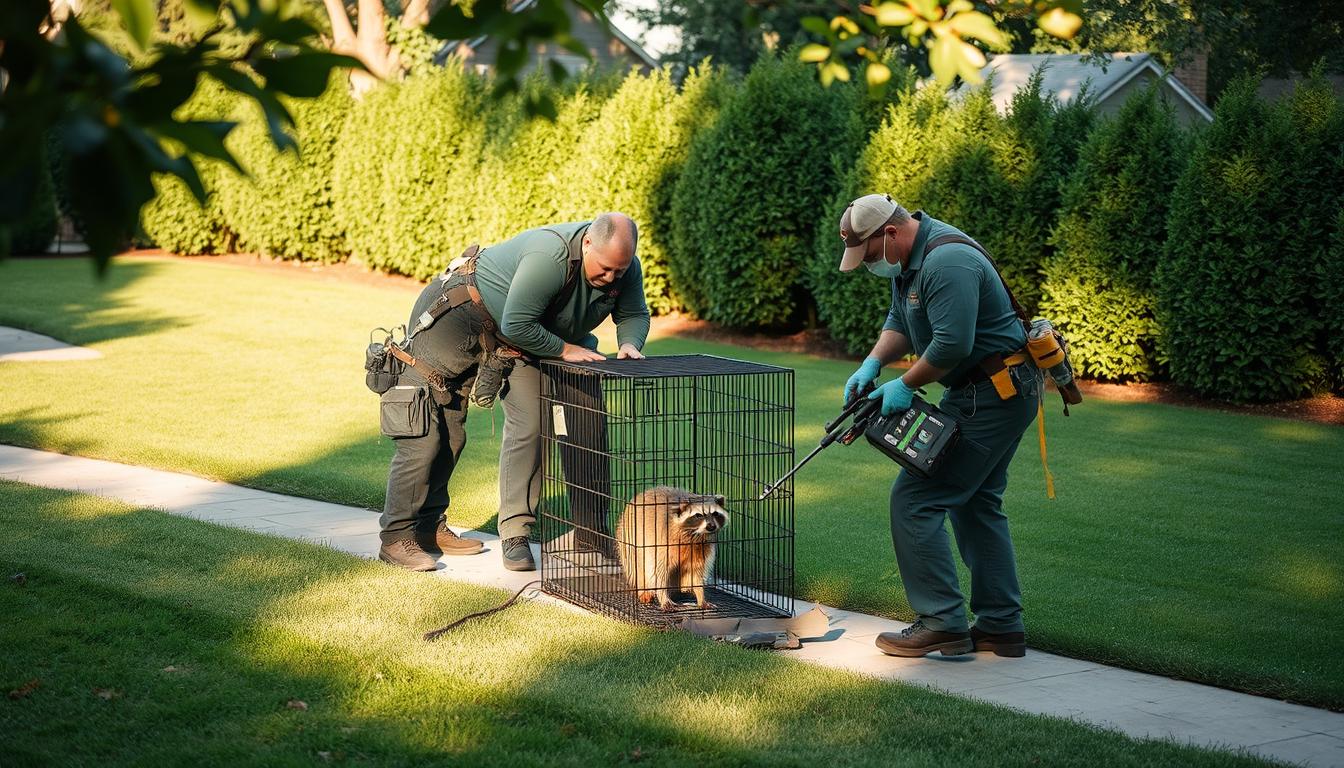
Wildlife encounters are becoming more common in Norwalk neighborhoods. Homes near wooded areas, parks, and water sources often attract animals. When a problem appears, many homeowners are unsure who to call. Some contact animal control. Others search for wildlife control services. The confusion is understandable, but the difference matters.
Choosing the wrong service can waste time. It can also make the problem worse. This guide explains the key differences between Norwalk animal control and wildlife control. It also helps Norwalk residents make the right decision when animals become an issue.
Why This Confusion Happens in Norwalk
Norwalk is a mix of residential areas and natural habitats. This creates frequent interactions between people and animals. Raccoons, squirrels, bats, and skunks often enter attics or crawl spaces. At the same time, stray dogs or injured cats may appear in public areas.
Many residents assume animal control handles all animal problems. In reality, animal control and wildlife control serve very different roles. Understanding these roles helps protect your home, your family, and the animals involved.
What Is Animal Control?
Animal control is a public service. It is usually run by the city or municipality. Its primary focus is public safety and domestic animals.
In Norwalk, animal control officers enforce local animal laws. They respond to situations involving pets or animals that pose a risk to people. Their authority comes from city ordinances and state regulations.
When people think of animal control in Norwalk, they often imagine officers removing animals from homes. That is rarely the case.
What Animal Control Typically Handles
Animal control services are limited to specific situations. These usually involve domestic animals or public safety concerns.
Common responsibilities include:
- Stray or loose dogs
- Aggressive pets
- Dog bite incidents
- Animal cruelty investigations
- Injured domestic animals in public areas
- Enforcement of leash and licensing laws
Animal control officers are not equipped to perform structural inspections. They do not seal entry points or repair damage. Their role ends once the immediate safety concern is addressed.
This is why many wildlife-related calls to animal control in Norwalk are redirected elsewhere.
What Is Wildlife Control?
Wildlife control is a private, specialized service. It focuses on wild animals that enter homes or damage property. These professionals are trained to handle animals humanely and legally.
Wildlife control addresses the full problem. That includes removal, prevention, and repair. This makes it the correct solution for most residential wildlife issues.
Wildlife control professionals deal with animals that animal control does not manage.
Common Wildlife Problems in Norwalk Homes
Norwalk homes experience a wide range of wildlife issues throughout the year.
The most common include:
- Raccoons nesting in attics
- Squirrels chewing wires and wood
- Bats roosting in roofs or soffits
- Skunks living under decks or sheds
- Groundhogs digging near foundations
These animals cause noise, odors, and property damage. They can also introduce parasites and health risks.
Calling Norwalk animal control for these situations often leads to frustration. Wildlife control is designed specifically for these problems.
Key Differences Between Animal Control and Wildlife Control
The easiest way to understand the difference is by looking at their core functions.
Animal control focuses on:
- Domestic animals
- Law enforcement
- Public safety
- Emergency response
Wildlife control focuses on:
- Wild animals
- Residential properties
- Humane removal
- Exclusion and prevention
Animal control is reactive. Wildlife control is both reactive and preventive. This distinction is critical for homeowners.
When Should You Call Animal Control in Norwalk?
There are clear situations where animal control is the correct choice.
You should call animal control if:
- A dog is loose or aggressive
- A pet has bitten someone
- You witness animal neglect or abuse
- An injured domestic animal is in a public area
- There is an immediate public safety risk
In these cases, animal control in Norwalk has the authority and responsibility to respond.
However, animal control is not designed to resolve ongoing wildlife infestations inside homes.
When Wildlife Control Is the Right Choice
Wildlife control should be your first call when animals enter your home or structure.
You should contact a wildlife professional if you notice:
- Scratching or thumping noises in walls or ceilings
- Animals entering through vents or rooflines
- Droppings in attics or crawl spaces
- Repeated animal activity around your home
- Damage to insulation, wiring, or wood
These problems require inspections and long-term solutions. This goes beyond the scope of Norwalk animal control.
Why Wildlife Control Offers Long-Term Solutions
One major difference is how the problem is solved.
Wildlife control professionals do more than remove animals. They identify how animals entered the structure. They then secure those entry points to prevent future issues.
This process often includes:
- Humane trapping or exclusion
- Sealing gaps and vents
- Repairing animal-related damage
- Cleaning contaminated areas
- Preventive recommendations
Animal control does not provide these services. That is why wildlife problems often return when handled incorrectly.
Legal and Humane Considerations in Connecticut
Connecticut has strict laws regarding wildlife handling. Some species are protected. Others require specific removal methods.
Bats are a common example. They cannot be removed during certain seasons due to maternity laws. Improper removal can be illegal and harmful.
Wildlife professionals understand these regulations. They ensure compliance with state laws and ethical standards. Calling animal control in Norwalk for protected wildlife often results in no action being taken.
Health and Property Risks of Ignoring Wildlife Problems
Wildlife inside a home is not just a nuisance. It is a health and safety concern.
Risks include:
- Electrical fires from chewed wires
- Structural damage
- Contaminated insulation
- Parasites and bacteria
- Unpleasant odors
Delaying action allows these risks to grow. Wildlife control stops the issue at its source.
Animal control services do not handle these residential risks, even though many homeowners initially call Norwalk animal control out of habit.
Final Thoughts for Norwalk Residents
Animal-related issues are common in Norwalk. The solution depends on the type of animal and the situation. Animal control plays an important role in public safety and domestic animal welfare. Wildlife control specializes in protecting homes from wild animals and preventing future infestations. Understanding this difference helps residents respond quickly and correctly. Instead of calling animal control in Norwalk for every animal issue, homeowners should match the problem to the right service. Making the right call protects your home, your health, and the local wildlife.